What Is the Best Way to Get Rid of Blepharitis?
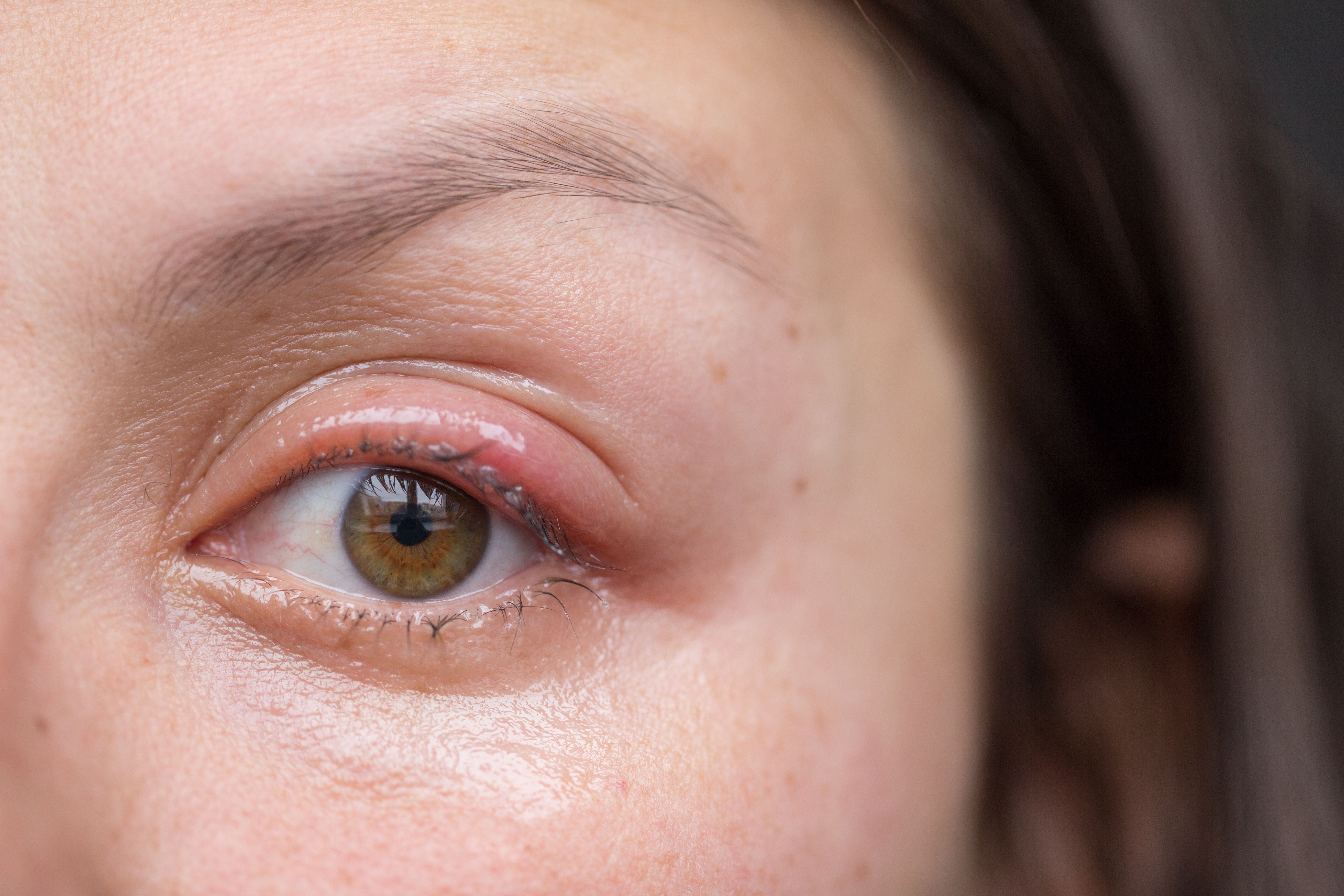
If your eyes often feel itchy, irritated, crusty, or look red along the eyelids, you may be dealing with blepharitis. This common eye condition affects the eyelid margins and can be both frustrating and persistent. While blepharitis is rarely sight-threatening, it can significantly impact your comfort and quality of life if left untreated.
So, what is the best way to get rid of blepharitis? The short answer: consistent eyelid hygiene, targeted treatment, and professional guidance from your eye care provider.
Let’s take a closer look at what works - and why.
What Is Blepharitis?
Blepharitis is inflammation of the eyelids, usually occurring where the eyelashes grow. It can be caused by bacteria, clogged oil glands (meibomian gland dysfunction), dandruff of the scalp or eyebrows, allergies, or certain skin conditions like rosacea.
Common symptoms include:
- Red, swollen, or itchy eyelids
- Burning or stinging eyes
- Crusty debris at the base of the eyelashes
- Watery eyes
- Dry eye symptoms
- Sensitivity to light
Because blepharitis often overlaps with dry eye disease, proper diagnosis is essential for effective treatment.
The Best Way to Get Rid of Blepharitis
There is no instant cure for blepharitis, but it can absolutely be controlled - and in many cases, symptoms can be significantly reduced or eliminated with the right approach.
Daily Warm Compresses
Warm compresses are one of the most effective first steps. Applying a clean, warm (not hot) compress to your closed eyelids for 5–10 minutes helps loosen debris and unclog oil glands. Consistency is key. For active flare-ups, this may be needed once or twice daily.
Gentle Eyelid Cleaning
After a warm compress, gently clean the eyelid margins to remove buildup and bacteria. Your eye doctor may recommend:
- Medicated lid scrubs
- Hypochlorous acid sprays
- Foam cleansers designed specifically for eyelids
Avoid using harsh soaps or over-the-counter products not designed for the eyes.
Targeted In-Office Treatments
If home care isn’t enough, professional treatment can make a major difference. At Battleground Eye Care, we may recommend:
- Prescription antibiotic or anti-inflammatory eye drops
- Oral medications (in more severe cases)
- Advanced lid cleaning procedures
- Treatment for underlying dry eye disease
These treatments address the root cause rather than just the symptoms.
Manage Contributing Conditions
Blepharitis is often linked to other issues, such as dry eye, rosacea, or seborrheic dermatitis. Managing these conditions is essential to long-term relief.
Lifestyle adjustments can also help:
- Replace old eye makeup regularly
- Remove makeup completely before bed
- Avoid rubbing your eyes
- Maintain good overall hygiene
Why Blepharitis Keeps Coming Back
One of the biggest frustrations with blepharitis is that it can be chronic. Many patients stop treatment once symptoms improve, only for irritation to return weeks later.
The best way to “get rid of” blepharitis is to think of it as ongoing maintenance - much like brushing and flossing your teeth. Regular lid hygiene keeps inflammation under control and prevents flare-ups.
With the right care plan, most patients experience long-term relief and healthier, more comfortable eyes.
When to See an Eye Doctor
If your symptoms persist despite home treatment, worsen over time, or interfere with your vision, it’s time to schedule an evaluation. Untreated blepharitis can lead to complications such as styes, chalazia, or worsening dry eye.
A comprehensive eye exam allows us to determine the exact type of blepharitis you have and create a customized treatment plan.
Relief from Blepharitis Starts Here
The best way to get rid of blepharitis is through consistent eyelid hygiene, proper treatment, and professional guidance. While it may not disappear overnight, it can be effectively managed with the right approach.
Schedule an appointment with Battleground Eye Care today to get lasting relief and protect your long-term eye health. Visit our office in Greensboro, North Carolina, or call (336) 564-6800 to schedule an appointment today.


INTERESTED IN OUR SERVICES?
Contact us now!
Request appointment with this form to schedule a time with our professional staff!
Phone: (336) 564-6800
Fax: (336) 282-5325
- Monday1:00 PM - 7:00 PM
- Tuesday8:00 AM - 1:00 PM2:00 PM - 5:30 PM
- Wednesday8:00 AM - 1:00 PM2:00 PM - 5:30 PM
- Thursday8:00 AM - 1:00 PM2:00 PM - 5:30 PM
- Friday8:00 AM - 1:00 PM
- Saturday & SundayClosed
-
Closed Saturday and Sunday
Powered by: